
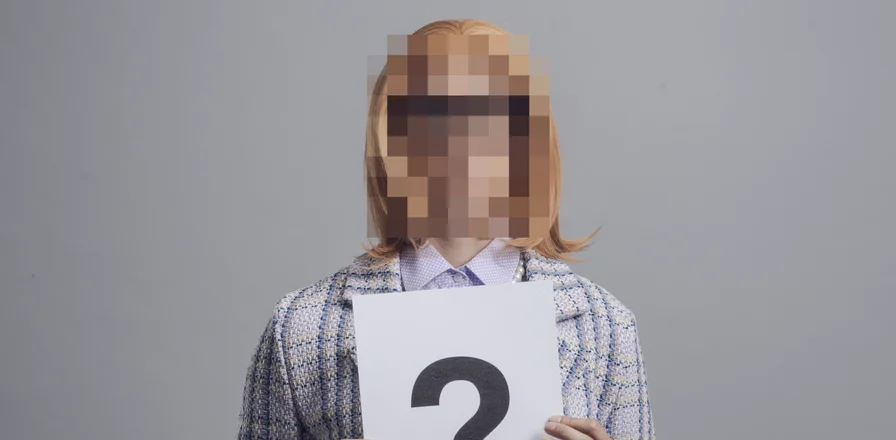
Face Redaction
Automatically blur all faces in images for privacy protection. Uses AI face detection to identify and anonymize faces.
Bynn Face Redaction
Automatically detects and blurs all faces in images for privacy protection and GDPR compliance.
The Challenge
Privacy regulations have fundamentally changed how organizations handle images containing people. GDPR in Europe mandates explicit consent for processing personal data—and faces are biometric identifiers. CCPA in California grants consumers the right to know and delete personal information. Brazil's LGPD, Japan's APPI, and dozens of other privacy laws create a patchwork of compliance requirements. A single unblurred face in the wrong jurisdiction can trigger investigations, fines reaching millions of euros, and severe reputational damage.
The scale of image processing has exploded beyond human capacity. Security systems capture millions of frames daily. Real estate platforms process thousands of property photos containing bystanders. News organizations handle massive image archives requiring redaction before publication. Social media platforms see billions of uploads where bystanders appear without consent. Street-level mapping projects photograph entire cities. Manual face redaction at this scale is economically impossible—a single trained editor processes perhaps 50 images per hour with acceptable accuracy, creating backlogs measured in years.
User-generated content presents unique liability challenges. Customers upload photos of products with other shoppers visible in the background. Review sites receive images of restaurants with diners in frame. Travel platforms accumulate photos with tourists passing by. Real estate listings show properties with neighbors visible. Each of these images creates potential legal exposure. The person uploading may have consent from the main subject but not from every person who happened to be in the scene. Platforms become responsible for protecting the privacy of people who never agreed to appear in these images.
Security footage sharing faces a fundamental paradox. Organizations need to share surveillance video for investigations, insurance claims, incident reports, and employee training. But the footage invariably contains innocent bystanders, employees going about their work, and other individuals with privacy rights. Sharing unredacted footage violates privacy laws across most jurisdictions. Not sharing footage impedes legitimate business operations. Traditional manual redaction workflows take days or weeks—but investigators need footage in hours and insurance adjusters need it before deadlines expire.
Corporate communications require privacy protection at unprecedented scale. Training materials show workplace scenarios with employees who may leave the company. Marketing teams need stock photos free of face recognition concerns that could enable tracking. HR departments document facilities where employee images appear incidentally. Event photography captures attendees who may not want their presence documented. Each use case requires faces obscured comprehensively without destroying the image's utility for its intended purpose.
Automation introduces its own category of risks. Incorrect detection misses faces that should be blurred—creating compliance violations from a single failure. Over-detection blurs objects that aren't faces—degrading image quality and professional appearance. Insufficient blur strength allows sophisticated face reconstruction techniques—completely defeating the purpose of redaction. The system must balance precision, recall, and anonymization strength while maintaining reasonable processing costs and latency for real-time applications.
How It Works
- Face Detection: Detects all faces in the image using AI face detection
- Confidence Filtering: Only blurs faces with detection confidence above 0.2
- Gaussian Blur: Applies strong Gaussian blur to each detected face region
- Output: Returns the processed image as base64-encoded PNG
Response Structure
- png_image_base64: Processed image with blurred faces (PNG, base64-encoded)
- faces_detected: Total faces found in the image
- faces_redacted: Number of faces that were blurred
- image_size: Original image dimensions { width, height }
- redacted_faces: Array with bbox and confidence for each blurred face
Use Cases
- GDPR/CCPA Compliance: Anonymize images before processing or storage
- User-Generated Content: Protect bystander privacy in uploaded photos
- Media Publishing: Blur faces for news and editorial content
- Security Footage: Anonymize surveillance recordings for sharing
- Real Estate: Blur people in property listing photos
Technical Details
| Parameter | Value |
|---|---|
| Blur Method | Gaussian blur (sigma=20) |
| Confidence Threshold | 0.2 |
| Output Format | PNG |
| Max File Size | 20MB |
| Supported Formats | GIF, JPEG, JPG, PNG, WebP |
Known Limitations
- Face Angle: Face detection works best with frontal faces. Faces turned approximately 12 degrees or more from frontal view may have reduced detection accuracy.
Related Models
For selective face redaction, see Face Redaction of Minors which blurs faces of people estimated under 23 years old (with safety margin).
API Reference
Input Parameters
Blur faces in images for privacy protection.
image_urlstringURL of image to process
base64_imagestringBase64-encoded image data
Response Fields
png_image_base64stringProcessed image with blurred faces (PNG, base64-encoded)
faces_detectedintegerTotal faces found in the image
faces_redactedintegerNumber of faces that were blurred
image_sizeobjectOriginal image dimensions { width, height }
redacted_facesarrayDetails of each blurred face including bbox and confidence
Complete Example
Request
{
  "model": "face-redaction",
  "image_url": "https://example.com/photo.jpg"
}
Response
{
  "success": true,
  "data": {
    "png_image_base64": "<base64-data>",
    "faces_detected": 3,
    "faces_redacted": 3,
    "image_size": {
      "width": 1920,
      "height": 1080
    },
    "redacted_faces": [
      {
        "bbox": {
          "x1": 100,
          "y1": 100,
          "x2": 200,
          "y2": 200
        },
        "confidence": 0.95
      }
    ]
  }
}
Additional Information
429 HTTP error code along with an error message. You should then retry with an exponential back-off strategy, meaning that you should retry after 4 seconds, then 8 seconds, then 16 seconds, etc.Ready to get started?
Integrate Face Redaction into your application today with our easy-to-use API.